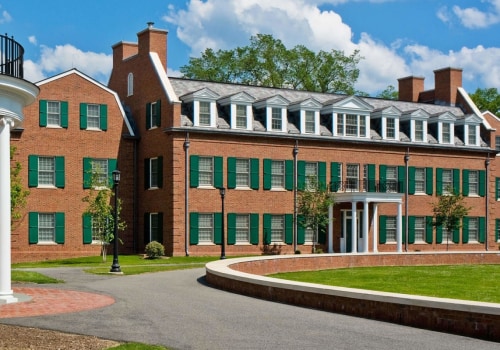
In the quest to identify the best high school in America, families often find themselves navigating a complex landscape filled with various options, each offering unique strengths and challenges. The educational environment in the United States is diverse, encompassing public, private, and charter schools, each with its own set of advantages. As parents and students embark on this journey, understanding the nuances of these institutions becomes crucial. This is where the expertise of private school consultants comes into play.Private school consultants serve as invaluable resources for families seeking tailored guidance in selecting the right high school.
They possess in-depth knowledge of the educational landscape, including insights into school rankings, academic programs, extracurricular offerings, and admission processes. By leveraging their expertise, families can make informed decisions that align with their child's unique needs and aspirations. Whether it’s a focus on STEM education, arts programs, or college preparatory courses, these consultants help pinpoint schools that not only excel academically but also foster personal growth and development.Moreover, high school rankings can often be misleading without context. While some schools may boast impressive statistics regarding test scores and college acceptance rates, it is essential to consider factors such as school culture, class sizes, and available resources.
A high-ranking school may not necessarily be the best fit for every student. Therefore, engaging with a private school consultant can provide a more nuanced understanding of what makes a school truly exceptional.As we delve deeper into this exploration of high schools across America, we will examine various criteria that contribute to a school's reputation and effectiveness. From academic rigor to community involvement and beyond, our goal is to equip families with the knowledge they need to find the best educational environment for their children.
Criteria for Evaluating High Schools
When evaluating high schools, it is essential to consider a variety of criteria that can significantly impact a student's educational experience and future opportunities. Here are some of the most important factors to take into account:- Academic Performance: One of the primary indicators of a school's quality is its academic performance.
This can be assessed through standardized test scores, graduation rates, and college acceptance rates. Schools that consistently achieve high scores in these areas often provide a rigorous curriculum that prepares students for higher education.
- Curriculum Offerings: A diverse and challenging curriculum is vital for fostering intellectual growth. Look for schools that offer Advanced Placement (AP) courses, International Baccalaureate (IB) programs, and specialized tracks in areas such as STEM (Science, Technology, Engineering, and Mathematics) or the arts. These programs not only enhance learning but also make students more competitive in college admissions.
- Extracurricular Activities: Participation in extracurricular activities can greatly enrich a student's high school experience.
Schools that offer a wide range of clubs, sports, and arts programs allow students to explore their interests, develop new skills, and build social connections. This holistic approach to education can lead to improved academic performance and personal development.
- College Readiness: Assessing how well a school prepares its students for college is crucial. This includes not only academic readiness but also support services such as college counseling, SAT/ACT preparation, and assistance with college applications. Schools that prioritize college readiness often have dedicated staff to guide students through this process.
- Safety and Environment: A safe learning environment is paramount for student success.
Investigate the school's safety record, including incidents of bullying or violence, and consider the overall atmosphere of the school. A positive environment fosters learning and encourages student engagement.
- Community Involvement: Schools that actively engage with their communities often provide students with valuable opportunities for service learning and internships. This connection can enhance a student's educational experience and help them develop a sense of responsibility and civic engagement.
The Role of Private School Consultants
Finding the right high school for your child can be a daunting task, especially with the myriad of options available.This is where private school consultants come into play, offering invaluable expertise and personalized guidance to families navigating the complex landscape of private education.
Understanding the Role of Private School Consultants
Private school consultants are professionals who specialize in helping families identify and secure placements in private high schools that align with their children's unique needs and aspirations. These consultants possess extensive knowledge of various schools, their curricula, admission processes, and the overall educational environment. By leveraging their expertise, families can make informed decisions that will significantly impact their child's academic journey.
Benefits of Hiring Private School Consultants
- Personalized Guidance: Every child is different, and a one-size-fits-all approach rarely works in education. Private school consultants take the time to understand each student's strengths, weaknesses, interests, and goals.
This tailored approach ensures that recommendations are well-suited to the individual.
- Expert Knowledge: With their deep understanding of the private school landscape, consultants can provide insights into which schools excel in specific areas such as STEM education, arts programs, or college preparatory courses.
- Streamlined Application Process: The application process for private schools can be intricate and competitive. Consultants assist families in navigating this process by helping with application timelines, essay writing, interview preparation, and gathering necessary documentation.
- Access to Resources: Many consultants have established relationships with schools and can offer insider information about admission trends, scholarship opportunities, and other resources that may not be readily available to the general public.
How Consultants Help Families
The role of private school consultants extends beyond mere recommendations. They serve as advocates for families throughout the entire process. From initial consultations to final decisions, these professionals guide families through every step:
- Initial Assessment: Consultants begin by conducting a thorough assessment of the student’s academic history, extracurricular interests, and personal goals.
- School Recommendations: Based on the assessment, consultants provide a curated list of schools that would be a good fit for the student.
- Application Support: They assist in crafting compelling applications that highlight the student’s strengths and unique qualities.
- Interview Preparation: Consultants prepare students for interviews by conducting mock sessions and providing feedback on presentation skills.
- Post-Acceptance Guidance: Once offers are received, consultants help families weigh their options and make informed decisions about which school to choose.
Their expertise not only helps families navigate the complexities of private education but also ensures that students are placed in environments where they can thrive academically and personally.
Top High Schools in America: A Closer Look
When evaluating the top high schools in America, it’s essential to consider a variety of factors that contribute to their esteemed reputations. These schools not only excel academically but also offer unique programs that foster personal growth and prepare students for future challenges. Below, we explore some of the most distinguished high schools across the nation.California Academy of Mathematics and Science
Located in Carson, California, the California Academy of Mathematics and Science (CAMS) is renowned for its rigorous academic curriculum focused on STEM (Science, Technology, Engineering, and Mathematics). This school is a magnet institution that emphasizes critical thinking and problem-solving skills.Students are required to take advanced placement (AP) courses, boasting a remarkable 100% pass rate on AP exams. Beyond academics, CAMS offers over 150 extracurricular activities, allowing students to engage in various interests from robotics to environmental clubs.
Stanton College Preparatory School
Situated in Jacksonville, Florida, Stanton College Preparatory School is a Blue Ribbon school recognized for its academic excellence. With a curriculum that includes honors and AP courses, approximately 99% of students participate in the International Baccalaureate (IB) program, achieving a 100% completion rate. The school’s competitive admission process selects around 270 students from over 1,600 applicants annually.In addition to academics, Stanton offers diverse extracurricular activities such as dance, chess, and robotics.
The International Academy
The International Academy in Michigan stands out for its commitment to community service and global education. Each student must complete 150 hours of community service or extracurricular activities before graduation. The school offers an extensive selection of AP classes, with 91% of students participating in these advanced courses. Additionally, qualified students can enroll in dual enrollment programs that allow them to earn college credits while still in high school.Gwinnett School of Math, Science and Technology
This Georgia-based school is another exemplary institution known for its academic rigor.The Gwinnett School of Math, Science and Technology boasts a 100% participation rate in AP courses with an impressive 96% pass rate on AP exams. The curriculum includes subjects like chemistry and engineering, preparing students for future academic pursuits. Furthermore, students are encouraged to engage in community service by completing at least 50 hours before graduation.
Hume-Fogg Academic Magnet School
Located in Nashville, Tennessee, Hume-Fogg Academic Magnet School is celebrated for its strong academic programs and commitment to student success. The school offers 16 AP classes and requires students to complete 50 hours of community service as part of their graduation requirements.With nearly 89% of graduates enrolling in two- or four-year universities within 16 months of graduation, Hume-Fogg exemplifies the effectiveness of its educational approach.In conclusion, while there are numerous best private high schools across the United States, each institution has unique attributes that cater to different student needs. Whether it’s through advanced coursework or community engagement opportunities, these schools provide an environment where students can thrive academically and personally.
Case Studies: Success Stories from Top High Schools
High schools across the United States are not just institutions for academic learning; they are environments where students can thrive, develop their passions, and achieve remarkable success. Here, we explore several case studies that highlight the achievements of students from some of the best high schools in America, showcasing how these institutions foster both academic excellence and personal growth.California Academy of Mathematics and Science
At the California Academy of Mathematics and Science (CAMS), students are encouraged to excel in STEM fields. One notable success story is that of Jessica Tran , who graduated as valedictorian.Jessica participated in numerous AP courses and was actively involved in the school's robotics club. Her dedication led her to win a national robotics competition, which not only earned her a scholarship to a prestigious university but also inspired her peers to pursue careers in engineering.
Stanton College Preparatory School
Stanton College Preparatory School in Florida is renowned for its rigorous academic programs. A standout student, Michael Chen , was recognized for his exceptional performance in the International Baccalaureate (IB) program. Michael's research project on renewable energy solutions won first place at a state science fair, earning him an internship with a leading environmental organization.His experience at Stanton equipped him with the skills and confidence to pursue a degree in environmental science.
The International Academy
The International Academy emphasizes global citizenship and community service. Aisha Patel , a graduate, completed over 200 hours of community service during her time at the school. Her efforts included organizing cultural exchange programs that connected students from different backgrounds. Aisha's leadership skills were recognized when she was awarded a scholarship to study international relations at a top university.Gwinnett School of Math, Science and Technology
The Gwinnett School of Math, Science and Technology has produced numerous successful graduates.One such student, David Kim , achieved a perfect score on his AP exams and was accepted into multiple Ivy League schools. David's passion for mathematics led him to create an online tutoring platform that helps underprivileged students excel in math, demonstrating how education can be leveraged for social good.These case studies illustrate that the best high schools in America not only focus on academic achievement but also prioritize personal development and community engagement. By providing students with opportunities to explore their interests and make meaningful contributions, these institutions prepare them for success beyond high school.
Extracurricular Activities: Enhancing Student Experience
Extracurricular activities play a crucial role in shaping a student's overall educational experience. These activities extend beyond the classroom, providing opportunities for personal growth, skill development, and social interaction.Engaging in clubs, sports, and community service not only enriches student life but also significantly enhances college readiness.
Importance of Extracurricular Activities
Participating in extracurricular activities is essential for several reasons:
- Skill Development: Students can develop a variety of skills through extracurricular involvement, including leadership, teamwork, and time management. For instance, being part of a debate team hones public speaking and critical thinking skills.
- Social Connections: These activities foster friendships and connections among students with similar interests. This sense of community can lead to lasting relationships that extend beyond high school.
- College Applications: Colleges often look for well-rounded applicants who have demonstrated commitment and passion outside of academics. Participation in clubs and sports can enhance a student's resume, showcasing their diverse interests and abilities.
- Personal Growth: Engaging in extracurriculars allows students to explore their passions and discover new interests.
This exploration can lead to increased self-confidence and a clearer sense of identity.
Student Life at High Schools
The student life experience at high schools is greatly enriched by the variety of extracurricular options available. Schools often offer a wide range of clubs, from academic organizations like science or math clubs to creative outlets such as drama or art clubs. Additionally, sports teams provide an avenue for physical fitness and competition, promoting school spirit and camaraderie among students.
Clubs and Sports in Schools
High schools typically feature numerous clubs and sports teams that cater to diverse interests:
- Academic Clubs: These include mathletes, science fairs, and language clubs that encourage academic excellence while allowing students to collaborate on projects.
- Cultural Organizations: Many schools celebrate diversity through cultural clubs that promote understanding and appreciation of different backgrounds.
- Athletic Teams: From football to swimming, sports teams not only promote physical health but also teach discipline, resilience, and teamwork.
- Community Service Initiatives: Many high schools encourage students to engage in community service projects, fostering a sense of responsibility and connection to their local communities.
Navigating Admissions: Tips from Private School Consultants
Navigating the admissions process for top high schools can be a daunting task, especially when aiming for prestigious institutions.Private school consultants offer invaluable insights that can help families streamline their approach and enhance their chances of acceptance. Here are some essential tips to consider:
Understanding the Admissions Timeline
One of the first steps in preparing for high school admissions is to familiarize yourself with the admissions timeline. Most private schools have specific deadlines for applications, interviews, and decisions. Start by creating a calendar that includes:- Application submission dates
- Testing dates (if applicable)
- Interview schedules
- Notification dates for acceptance
Crafting a Compelling Application
Your application is your first impression, so it’s crucial to make it stand out.Private school consultants recommend focusing on the following elements:
- Personal Statement: Write a thoughtful personal statement that reflects your child’s personality, interests, and aspirations. This is an opportunity to showcase what makes them unique.
- Recommendations: Secure strong letters of recommendation from teachers or mentors who know your child well. These should highlight their strengths, character, and contributions to the community.
- Academic Records: Ensure that transcripts are up-to-date and accurately reflect your child’s academic performance.
Preparing for Admissions Interviews
The interview is a critical component of the admissions process. Here are some strategies to help your child prepare:- Practice Common Questions: Familiarize your child with common interview questions such as "What are your favorite subjects?" or "Why do you want to attend this school?" Conduct mock interviews to build confidence.
- Show Enthusiasm: Encourage your child to express genuine interest in the school.
They should be prepared to discuss why they believe it’s a good fit for them.
- Dress Appropriately: First impressions matter. Advise your child to dress neatly and appropriately for the interview.
Frequently Asked Questions about High Schools and Consultants
Choosing the right high school for your child can be a daunting task, and many parents find themselves turning to private school consultants for guidance. Here are some frequently asked questions that can help clarify the role of these consultants and the high school selection process.What is a private school consultant?
A private school consultant is a professional who specializes in helping families navigate the complex landscape of private education. They provide personalized advice on selecting schools that align with a child's academic, social, and emotional needs.These consultants often have extensive knowledge of various institutions, their admission processes, and the unique programs they offer.
How can a consultant assist in the high school selection process?
Consultants can assist in several ways:- Assessment: They evaluate your child's strengths, weaknesses, interests, and goals to recommend suitable schools.
- Research: Consultants conduct thorough research on potential schools, including their academic performance, extracurricular offerings, and culture.
- Application Guidance: They help families prepare application materials, including essays and interviews, ensuring that submissions are polished and compelling.
- Interview Preparation: Consultants often provide coaching for interviews, helping students present themselves confidently.
What should I look for in a private school consultant?
When selecting a consultant, consider the following:- Experience: Look for someone with a proven track record in educational consulting and familiarity with the schools you are considering.
- Personal Fit: Choose a consultant who understands your family's values and educational philosophy.
- References: Ask for testimonials or references from previous clients to gauge their effectiveness.
Are private school consultants worth the investment?
The value of hiring a private school consultant often depends on your family's specific needs. For families who feel overwhelmed by the process or lack time to conduct thorough research, these professionals can provide invaluable support. Their expertise can lead to better-informed decisions that align with your child's aspirations.What are common misconceptions about private school consultants?
Many people believe that hiring a consultant guarantees admission to prestigious schools. However, while consultants can enhance your application and provide strategic advice, they cannot control admissions decisions.It's essential to approach this process with realistic expectations.In summary, understanding the role of private school consultants can empower parents to make informed choices about their child's education. By asking the right questions and seeking expert guidance, families can navigate the high school selection process with greater confidence.
Conclusion: Making an Informed Decision for Your Child's Future
Choosing the right high school for your child is a pivotal decision that can significantly influence their academic journey and future opportunities. As we have explored throughout this article, the landscape of high schools in America is diverse, with each institution offering unique programs, extracurricular activities, and educational philosophies. It is essential to recognize that what works for one student may not necessarily be the best fit for another.In our examination of some of the top high schools, we highlighted institutions like the California Academy of Mathematics and Science and Stanton College Preparatory School, which excel in rigorous academic standards and comprehensive support systems.These schools not only prepare students for college but also foster personal growth through various extracurricular activities. However, the competitive nature of admissions at these elite institutions means that families must be proactive and informed.To make an informed decision, it is crucial to engage in thorough research. This includes:
- Visiting Schools: Take the time to tour potential schools, attend open houses, and meet with faculty and current students. This firsthand experience can provide invaluable insights into the school culture.
- Consulting with Private School Consultants: These experts can offer tailored advice based on your child's strengths, interests, and academic goals.
They can help navigate the complexities of the admissions process and identify schools that align with your family's values.
- Reviewing Academic Programs: Look closely at the curriculum offered by each school. Consider whether they provide advanced placement courses, specialized programs in STEM or the arts, and opportunities for dual enrollment.
- Assessing Extracurricular Activities: A well-rounded education extends beyond academics. Evaluate the variety of clubs, sports, and community service opportunities available to students.
Remember, this decision is not just about finding a prestigious name; it’s about finding a nurturing environment where your child can thrive academically and personally.