In the landscape of American education, prestigious private high schools stand out as beacons of academic excellence and holistic development. These institutions are not merely places of learning; they are environments where students are nurtured to become leaders, innovators, and responsible citizens. With a rich history and a commitment to fostering intellectual curiosity, these schools often boast impressive college matriculation rates, sending graduates to some of the most esteemed universities in the world. The allure of these schools lies not only in their rigorous academic programs but also in their emphasis on character development, extracurricular activities, and community engagement.Choosing the right private high school can be a daunting task for families.
This is where private school consultants play a crucial role. These professionals possess in-depth knowledge of the various educational options available and can provide invaluable guidance throughout the selection process. They help families navigate the complexities of admissions requirements, financial aid options, and school cultures, ensuring that students find an institution that aligns with their academic goals and personal values. By leveraging their expertise, consultants can demystify the application process and empower families to make informed decisions.The significance of attending a top private school extends beyond academic achievement; it often shapes a student’s future opportunities and social networks.
Many prestigious private high schools offer unique programs that cater to diverse interests, from advanced placement courses to arts and athletics. As such, these institutions not only prepare students for higher education but also equip them with essential life skills that will serve them well beyond their high school years. In this article, we will explore the 50 most prestigious private high schools in the United States, highlighting their distinctive features and what makes them stand out in the competitive landscape of education.
Understanding Private School Rankings
When it comes to selecting a private high school, understanding the ranking system is crucial for parents and students alike. Private school rankings can significantly influence decisions, as they often reflect the quality of education, resources available, and overall student experience.Various organizations and platforms, such as Niche, employ different methodologies to evaluate and rank private schools across the United States.One of the primary metrics used in these rankings is academic performance. This includes standardized test scores, Advanced Placement (AP) course offerings, and overall student achievement. Schools that consistently produce high test scores and have a robust curriculum are likely to rank higher. Additionally, the availability of specialized programs, such as International Baccalaureate (IB) or STEM-focused tracks, can enhance a school's standing.Another critical factor is college placement rates.
Schools that successfully guide their students into prestigious colleges and universities tend to receive higher rankings. This metric not only reflects the school's academic rigor but also its counseling resources and support systems that help students navigate the college application process.
Student satisfaction
is also a vital component of private school rankings. Surveys conducted by ranking organizations often assess student feedback on various aspects of their school experience, including teacher engagement, extracurricular opportunities, and overall school culture. A school that fosters a positive environment where students feel supported and engaged will likely score well in this area.Furthermore, factors such as diversity , faculty qualifications , and parental involvement can also play a role in how schools are ranked.
Schools that prioritize inclusivity and have highly qualified teachers with advanced degrees often stand out in rankings.Understanding these metrics is essential for parents seeking the best educational fit for their children. By analyzing how schools are ranked, families can make informed decisions that align with their values and educational goals. Ultimately, while rankings provide valuable insights, they should be considered alongside personal visits and discussions with current students and faculty to gain a comprehensive view of each institution.
Criteria for Selecting a Prestigious Private High School
Choosing a prestigious private high school is a significant decision that can shape a student's academic and personal development. Families should consider several key criteria to ensure they select the right institution that aligns with their values and aspirations.- Academic Programs: The curriculum offered by a school is paramount.
Look for schools that provide a robust academic program, including Advanced Placement (AP) courses, International Baccalaureate (IB) programs, and specialized tracks in areas such as STEM, arts, or humanities. A diverse range of subjects allows students to explore their interests and strengths.
- Extracurricular Activities: A well-rounded education extends beyond the classroom. Investigate the extracurricular offerings, including sports, clubs, and arts programs. Participation in these activities fosters teamwork, leadership skills, and personal growth.
Schools with a vibrant extracurricular scene often provide students with opportunities to develop talents and build lifelong friendships.
- Faculty Qualifications: The quality of educators plays a crucial role in a student's success. Research the qualifications and experience of the faculty members. Schools with highly qualified teachers who are passionate about their subjects can inspire students and enhance their learning experience. Look for faculty who have advanced degrees or specialized training in their fields.
- Campus Culture: The environment in which students learn is just as important as the curriculum.
Visit campuses to get a feel for the culture and community. Consider factors such as diversity, inclusivity, and the overall atmosphere. A supportive and nurturing environment can significantly impact a student's motivation and engagement.
- College Counseling Services: For families focused on higher education, robust college counseling services are essential. Investigate how schools support students in the college application process, including guidance on selecting colleges, preparing for standardized tests, and writing personal statements.
A strong college counseling program can help students navigate their options effectively.
- Reputation and Alumni Success: Research the school's reputation within the community and its track record of alumni success. Schools with strong networks often provide valuable connections for internships and job opportunities post-graduation. Alumni achievements can be an indicator of the school's ability to prepare students for future challenges.
The Role of Private School Consultants
In the competitive landscape of private high school admissions, private school consultants play a pivotal role in guiding families through the intricate application process.These professionals bring a wealth of knowledge and experience, helping to demystify the often overwhelming journey of selecting the right school for a child.One of the primary benefits of hiring a private school consultant is their ability to provide personalized insights into various schools' cultures, values, and academic offerings. Each private institution has its unique environment, and consultants can help families understand which schools align best with their child's personality, learning style, and aspirations. This tailored approach ensures that students are not only admitted to a prestigious school but also thrive in an environment that suits them.Consultants assist families in several key areas:
- Assessment of Student Needs: Consultants begin by evaluating the student's strengths, weaknesses, interests, and goals. This comprehensive assessment helps identify schools that will nurture the student's potential.
- School Selection: With extensive knowledge of various institutions, consultants can recommend schools that match the family's criteria, whether it be academic rigor, extracurricular opportunities, or specific programs.
- Application Guidance: The application process can be daunting.
Consultants provide support in crafting compelling essays, preparing for interviews, and ensuring all materials are submitted on time.
- Interview Preparation: Many private schools require interviews as part of their admissions process. Consultants offer mock interviews and coaching to help students present themselves confidently and authentically.
- Financial Aid Advice: Understanding financial aid options is crucial for many families. Consultants can guide families through the financial aid process, helping them navigate scholarships and grants available at various institutions.
By leveraging these connections, consultants can provide families with strategic advice that enhances their chances of acceptance.In summary, the role of private school consultants extends far beyond mere application assistance. They serve as advocates for families, ensuring that students find a school that not only meets academic standards but also fosters personal growth and development. By investing in a consultant's expertise, families can navigate the complexities of private school admissions with greater confidence and clarity.
Top 50 Most Prestigious Private High Schools in the U. S.
When it comes to selecting a private high school, the options can be overwhelming.To help you navigate this landscape, we have compiled a comprehensive list of the 50 most prestigious private high schools in the United States. This list not only highlights the schools' locations and annual tuition costs but also their Niche rankings and whether they offer boarding options.
- Phillips Academy (Andover, MA) - Annual Tuition: $62,000 - Niche Ranking: #1 - Boarding: Yes
- Phillips Exeter Academy (Exeter, NH) - Annual Tuition: $62,000 - Niche Ranking: #2 - Boarding: Yes
- Harvard-Westlake School (Los Angeles, CA) - Annual Tuition: $60,000 - Niche Ranking: #3 - Boarding: No
- The Dalton School (New York, NY) - Annual Tuition: $58,000 - Niche Ranking: #4 - Boarding: No
- The Hotchkiss School (Lakeville, CT) - Annual Tuition: $61,000 - Niche Ranking: #5 - Boarding: Yes
- Montverde Academy (Montverde, FL) - Annual Tuition: $30,000 - Niche Ranking: #6 - Boarding: Yes
- Riverdale Country School (Bronx, NY) - Annual Tuition: $56,000 - Niche Ranking: #7 - Boarding: No
- The Putney School (Putney, VT) - Annual Tuition: $60,000 - Niche Ranking: #8 - Boarding: Yes
- Dwight School (New York, NY) - Annual Tuition: $50,000 - Niche Ranking: #9 - Boarding: No
- Santa Margarita Catholic High School (Rancho Santa Margarita, CA) - Annual Tuition: $20,000 - Niche Ranking: #10 - Boarding: No
- The New Mexico Military Institute (Roswell, NM) - Annual Tuition: $15,000 - Niche Ranking: #11 - Boarding: Yes
- Cretin-Derham Hall (St. Paul, MN) - Annual Tuition: $18,000 - Niche Ranking: #12 - Boarding: No
- Brophy College Preparatory (Phoenix, AZ) - Annual Tuition: $20,000 - Niche Ranking: #13 - Boarding: No
- Ignatius College Prep (Chicago, IL) - Annual Tuition: $18,500 - Niche Ranking: #14 - Boarding: No
- Loyola High School of Los Angeles (Los Angeles, CA) - Annual Tuition: $22,000 - Niche Ranking: #15 - Boarding: No
- The Spence School (New York, NY) - Annual Tuition: $58,000 - Niche Ranking: #16 - Boarding: No
- The Chapin School (New York, NY) - Annual Tuition: $57,000 - Niche Ranking: #17 - Boarding: No
- The Brearley School (New York, NY) - Annual Tuition: $58,000 - Niche Ranking: #18 - Boarding: No
- The Nightingale-Bamford School (New York, NY) - Annual Tuition: $56,000 - Niche Ranking: #19 - Boarding: No
- The Hewitt School (New York, NY) - Annual Tuition: $54,000 - Niche Ranking: #20 - Boarding: No
Whether you are looking for a day school or a boarding option, these institutions represent the pinnacle of private education in America.
Profiles of Selected Prestigious Private High Schools
When exploring the landscape of prestigious private high schools in the United States, several institutions stand out not only for their academic rigor but also for their unique offerings and vibrant communities. Below are detailed profiles of a few selected schools that exemplify excellence in education.Phillips Academy Andover
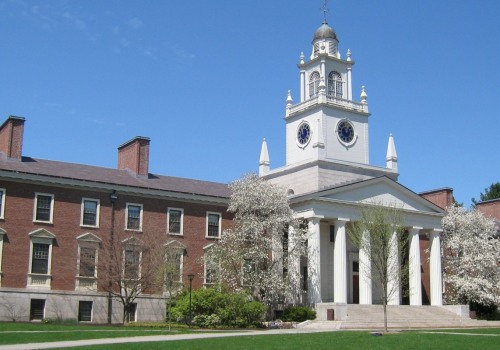
Located in Andover, Massachusetts, Phillips Academy , commonly referred to as Andover, is one of the oldest and most esteemed boarding schools in the country. Founded in 1778, it boasts a diverse student body representing 44 states and 51 countries. The school offers an impressive array of over 300 courses, including 150 electives, allowing students to tailor their education to their interests.Notably, Andover has a strong track record of sending graduates to Ivy League institutions and other top universities.
Exeter Academy
Phillips Exeter Academy
, another historic institution founded in 1781, is renowned for its commitment to academic excellence and its unique Harkness teaching method, which promotes discussion-based learning. With students hailing from 44 states and 31 countries, Exeter emphasizes global awareness through programs on five continents. The school also offers a graduate year for students seeking additional academic enrichment.
Harvard-Westlake School
Situated in Los Angeles, California, Harvard-Westlake School is a co-educational institution that provides a comprehensive educational experience with more than 300 classes and over 100 extracurricular clubs. The school encourages creativity through its eight student-directed publications and more than 40 annual performances.Graduates frequently attend prestigious universities such as NYU, Harvard, and Dartmouth.
The Dalton School
In New York City, The Dalton School stands out for its progressive educational philosophy rooted in the principles of the Progressive Education movement. Founded in 1919 by Helen Packhurst, Dalton emphasizes individualized learning and collaboration among students. The school serves students from kindergarten through high school graduation and is known for its rigorous academic programs.The Hotchkiss School
The Hotchkiss School
, located in Lakeville, Connecticut, is celebrated for its commitment to academic excellence and accessibility. Founded in 1891, Hotchkiss offers a challenging curriculum designed to prepare students for leadership roles in society.
The school prides itself on fostering a supportive environment where students can thrive both academically and personally.These schools not only provide exceptional academic programs but also cultivate well-rounded individuals through diverse extracurricular activities and community engagement initiatives. Their commitment to excellence continues to shape the future leaders of tomorrow.
Financial Considerations: Tuition and Financial Aid Options
When considering the financial aspects of enrolling in a prestigious private high school, families often face a daunting reality: tuition costs can be significant. The average annual tuition for top-tier private high schools in the United States can range from $30,000 to over $60,000, depending on the institution and its location. This financial commitment can be overwhelming, but understanding the available options for financial aid and scholarships can help ease the burden.Many private schools offer a variety of financial aid programs designed to assist families in managing these costs.These programs may include need-based aid, which is determined by a family's financial situation, as well as merit-based scholarships that reward academic excellence or exceptional talent in areas such as athletics or the arts.
Understanding Tuition Costs
The tuition fees at prestigious private high schools often reflect the quality of education and resources provided. Factors influencing tuition rates include:- Location: Schools in urban areas typically have higher costs due to real estate prices.
- Facilities: Institutions with state-of-the-art facilities, such as science labs, theaters, and sports complexes, may charge more.
- Class Size: Smaller class sizes often lead to higher tuition as they allow for more personalized attention.
Financial Aid Options
To help families afford these costs, many private schools provide financial aid packages that can cover a portion of tuition. Here are some common types of financial aid:- Need-Based Aid: This type of aid is awarded based on a family's financial need, which is assessed through applications like the FAFSA or the school's own financial aid forms.
- Merit-Based Scholarships: These scholarships are awarded to students who demonstrate exceptional academic performance or talent in specific areas.
- Sibling Discounts: Some schools offer reduced tuition rates for families with multiple children enrolled at the same institution.
By thoroughly researching and applying for these opportunities, families can make informed decisions that align with their educational goals and financial capabilities.
The Impact of Attending a Prestigious Private High School on College Admissions
Attending a prestigious private high school can significantly influence a student's college admissions prospects. These institutions often have established reputations for academic excellence, which can enhance a student's application profile. Admissions committees at top universities frequently recognize the rigorous curriculum and high standards associated with these schools, making graduates from such institutions more appealing candidates.One of the primary advantages of attending a prestigious private high school is the access to advanced coursework and specialized programs. Many of these schools offer Advanced Placement (AP) classes, International Baccalaureate (IB) programs, and other honors courses that challenge students academically.This rigorous academic environment not only prepares students for the demands of college-level work but also demonstrates to admissions officers that they are capable of handling challenging material.Moreover, prestigious private high schools often provide extensive resources that can further bolster a student's college application. These resources may include:
- College Counseling Services: Many elite private schools employ dedicated college counselors who guide students through the application process, helping them identify suitable colleges and prepare compelling applications.
- Extracurricular Opportunities: Students at these schools typically have access to a wide range of extracurricular activities, including sports, arts, and community service programs. Participation in these activities can enhance a student's profile by showcasing leadership skills and personal interests.
- Networking Opportunities: Prestigious private schools often have strong alumni networks that can provide mentorship and connections in various fields, which can be invaluable when applying to colleges or seeking internships.
The skills and experiences gained during their high school years—such as critical thinking, collaboration, and effective communication—are essential for thriving in higher education and beyond.In conclusion, while attending a prestigious private high school does not guarantee admission to elite colleges, it certainly provides students with significant advantages that can enhance their chances of success in the competitive landscape of college admissions. The combination of rigorous academics, comprehensive support systems, and valuable networking opportunities positions graduates favorably as they embark on their academic journeys.
Frequently Asked Questions About Private High Schools
When considering private high schools, parents often have numerous questions and concerns. Understanding the intricacies of private education can help families make informed decisions. Here are some frequently asked questions about private high schools:What is the admissions process like for private high schools?
The admissions process for private high schools can vary significantly from one institution to another.Generally, it involves several key steps:
- Application Form: Parents must complete an application form that typically includes personal information, academic history, and extracurricular activities.
- Entrance Exams: Many private schools require students to take standardized tests to assess their academic readiness.
- Interviews: Schools often conduct interviews with both students and parents to gauge fit and interest in the school’s culture and values.
- Recommendations: Letters of recommendation from teachers or community leaders may be requested to provide insight into the student’s character and abilities.
How do private schools ensure diversity and inclusion?
Diversity and inclusion are increasingly important in private education. Many prestigious private high schools actively work to create a diverse student body through:- Scholarship Programs: Offering financial aid and scholarships to students from various backgrounds helps increase accessibility.
- Cultural Competency Training: Faculty and staff often undergo training to foster an inclusive environment that respects and celebrates differences.
- Diverse Curriculum: Schools may incorporate diverse perspectives into their curriculum, ensuring that all students see themselves represented in their education.
What is the academic rigor like at private high schools?
Private high schools are known for their rigorous academic programs. They often offer advanced placement (AP) courses, International Baccalaureate (IB) programs, and specialized tracks that challenge students academically. The focus on small class sizes allows for personalized attention, fostering a deeper understanding of subjects.Additionally, many private schools emphasize critical thinking, creativity, and problem-solving skills, preparing students for higher education and beyond.In conclusion, while the decision to enroll in a private high school can be daunting, understanding the admissions process, commitment to diversity, and academic rigor can help parents navigate this important choice with confidence.
Conclusion: Making an Informed Decision for Your Child's Education
Choosing the right private high school for your child is a significant decision that can shape their academic journey and future opportunities. As we have explored throughout this article, the 50 most prestigious private high schools in the United States offer a range of unique programs, diverse environments, and exceptional educational standards. However, the process of selecting the right school goes beyond just rankings and tuition costs.It is essential to consider various factors that align with your child's individual needs, interests, and aspirations. Each school has its own culture, values, and academic focus, which can greatly influence a student's experience.For instance, some schools may emphasize rigorous academics and college preparatory programs, while others might prioritize arts or athletics. Understanding these nuances can help you make a more informed choice.Moreover, engaging with private school consultants can provide invaluable insights into the admissions process and help you navigate the complexities of selecting a school. These professionals often have extensive knowledge of various institutions and can assist in identifying schools that best match your child's profile. They can also offer guidance on preparing application materials, interview techniques, and even financial aid options.In addition to consulting with experts, visiting schools in person is crucial.
This allows you to experience the environment firsthand and assess whether it feels like a good fit for your child. During visits, pay attention to the interactions between students and faculty, the facilities available, and the overall atmosphere of the campus.Finally, consider reaching out to current students and parents for their perspectives. Their experiences can provide a clearer picture of what life is like at a particular school and help you gauge whether it aligns with your family's values and expectations.In conclusion, while the prestige of a school can be an important factor in your decision-making process, it should not be the sole criterion. A thorough evaluation of your child's needs combined with comprehensive research and consultation will empower you to make an informed decision that supports their educational journey.